Grab a Copy
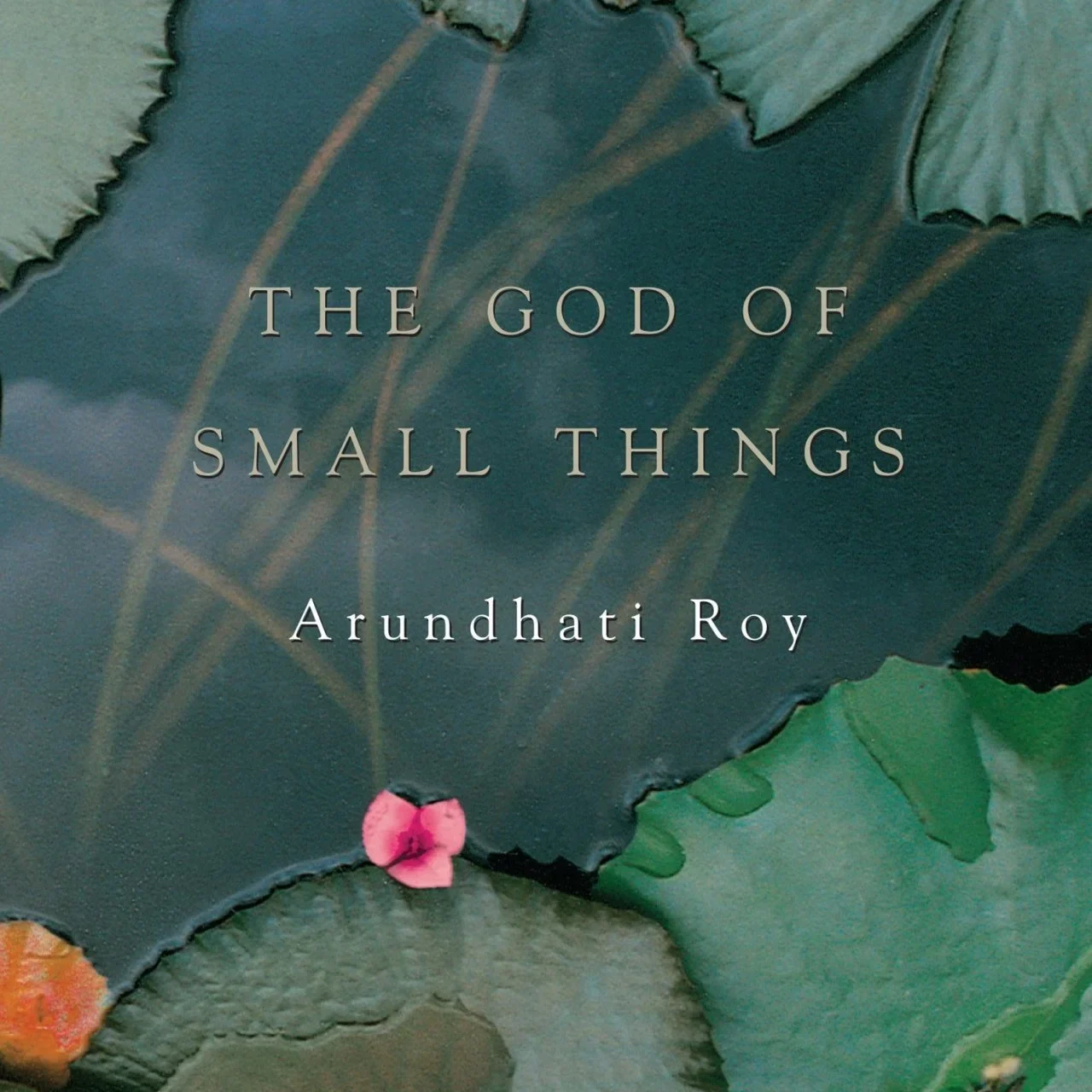
In her haunting 1990s debut, The God of Small Things, Arundhati Roy delivers a powerful and poetic commentary on caste, colonial legacy, and political unrest in 1960s India. Told primarily through the eyes of fraternal twins Rahel and Estha, this novel walks a delicate line between beautifully tragic and tragically beautiful. Its lyrical prose, raw subject matter, and philosophical undertones make it a truly unforgettable read.
The twins are born to a Syrian Christian woman named Ammu who has divorced from their alcoholic father. Since their parents’ separation, they are being brought up in the home of their grandmother, owner of the successful Paradise Pickles and Preserves which she founded independently. Also residing in the home are Ammu’s brother Chacko (a divorced man whose half-English daughter is being raised by his ex-wife in England) and her aunt Baby Kochamma, who became a Catholic in a futile attempt to romantically pursue an Irish priest. When Chacko’s ex-wife and daughter come to visit, the world drastically changes for the “two egg twins.”
If you like to avoid spoilers, then I recommend skipping over this paragraph, because I’m going to list several. While this novel wasn’t necessarily banned in India, Roy faced a lot of backlash for it when it first came out, particularly in the southern state of Kerala. There were several reasons for this, but to name just a few:
- Roy’s criticism of the Communist party provoked political anger
- The social commentary on the caste system and police complicity was met with anger
- Explicit sexual content between a Syrian Christian and a Dalit (then known as an “untouchable”) was considered vulgar, and ultimately led to backlash from traditionalist groups
- The devastating portrayal of a child being molested led to further upset from several groups
- An obscenity lawsuit was filed in 2000 under section 292 of the Indian Penal Code, citing “sale or distribution of obscene materials”
Despite the multiple attempts at getting this book banned, it ultimately remained available in India and is widely read and critically acclaimed for its realistic take on what life was truly like in the country for people of differing societal backgrounds.
At times this story is heartbreaking (for me, especially reading the scene containing the 4th bullet point I mentioned above), but Roy handles the story with so much love and care that it’s still in good taste. She writes with such empathy and intentionality that nothing feels exploitative. Her prose floats between dreamlike and piercingly real, capturing both the innocent musings of children and the crushing weight of generational trauma and injustice. I’d definitely check out a list of content warnings if you are someone who generally requires them, but otherwise, delve into this one blindly like I did; it’s so worth it. This is the kind of book that will stick with you for a long time and it’s worth every moment you spend on it.


Leave a Reply