Grab a Copy
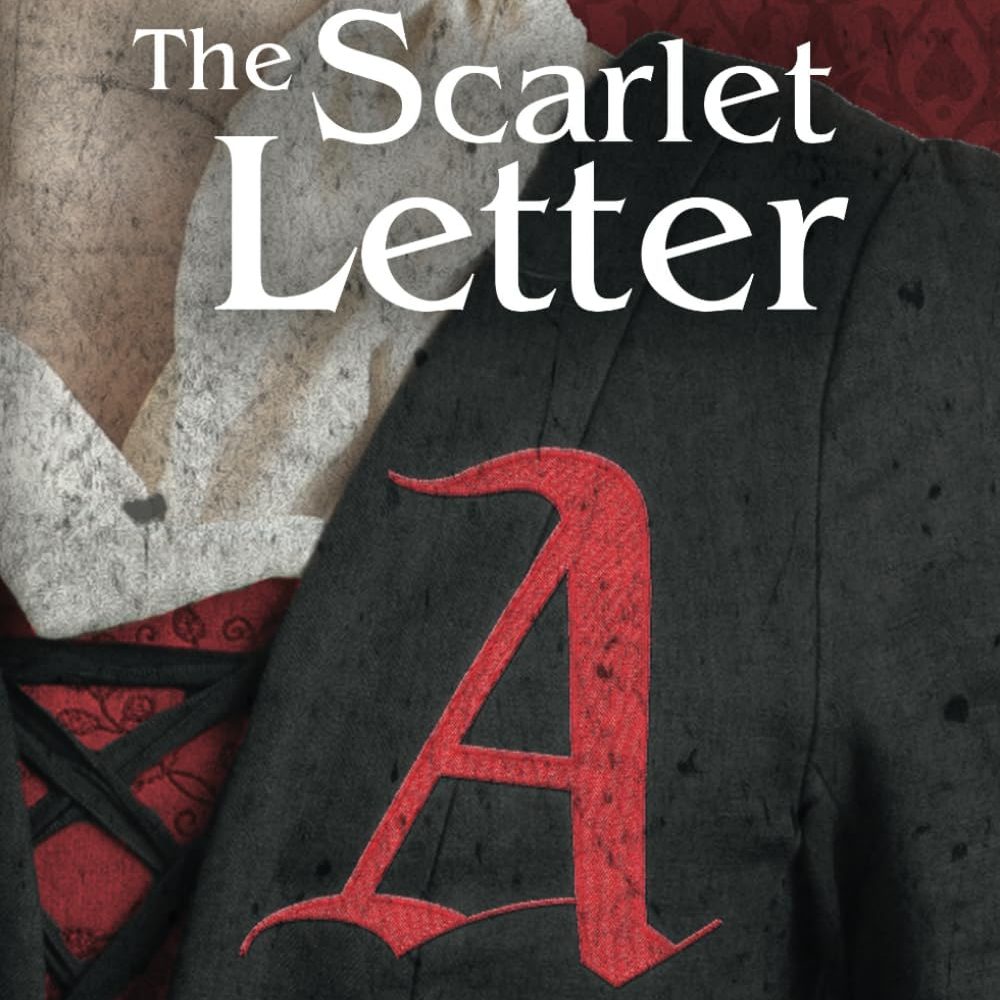
When I first read The Scarlet Letter at sixteen, my Catholic high school had us create our own “scarlet letters” to wear for a day – symbols of the vices we struggled with. Because I was absent the day the rest of my classmates did the exercise, I had to wear mine alone. My chosen letter was “D” for doubtful. At that time, I was wrestling with my faith (still believing in God, but feeling uncertain if He was truly paying attention to me in the chaos of my life). It felt isolating, walking through the halls marked in a way no one else was, but it also gave me a glimpse of Hester Prynne’s loneliness. Looking back now, I realize how wrong I was to doubt God’s nearness, and how He was with me even in those moments.
Reading Hawthorne’s novel again as an adult, I see Hester differently. She wasn’t just a character who went through the judgements of those in her unforgiving community, but a human being who made a mistake, and one whose entire life was defined by that mistake. The Puritan lens of sin and punishment feels especially stark when compared to the Catholic one. Puritans believed in harsh earthly consequences, while Catholics understand reconciliation, redemptive suffering, and the transforming mercy of Christ. The scarlet letter as a mark of shame stands in striking contrast to the Cross, which once meant humiliation and death but became the universal symbol of salvation. It is a paradox the Puritans in the novel could not comprehend—how mercy, not judgment, is the heart of true Christianity. In their attempts to be “holier than thou” they truly became anti-Christian.
The hypocrisy of the community strikes me even more now than it did in high school. The same townspeople who shamed Hester so publicly were hiding their own sins in secret. As a quote I heard recently on the Hallow app put it: “What we are before God is what we are, nothing else.” We can deceive our neighbors, but never God. Dimmesdale is the living embodiment of that truth, and his hidden guilt destroys him from within.
Hawthorne’s prose can be challenging, especially for modern readers who aren’t used to 19th-century literature. Published in the 1850s and set two centuries earlier, the language requires patience, but that distance also adds depth. It reminds us that humanity hasn’t changed all that much in four hundred years. We still judge others harshly while ignoring our own faults. It’s amazing really, the book was published two centuries ago and took place two centuries before, and at all three of these points in history, the message is just as relevant.
This is why The Scarlet Letter remains timeless. It forces us to confront the uncomfortable truth that all of us sin, and all of us will sin again. What matters is not the scarlet letters others may pin on us, but how we respond. For me as a Catholic, the response is always to reconcile with Christ, who sees us exactly as we are, and who alone has the right to judge.


Leave a Reply