Grab a Copy
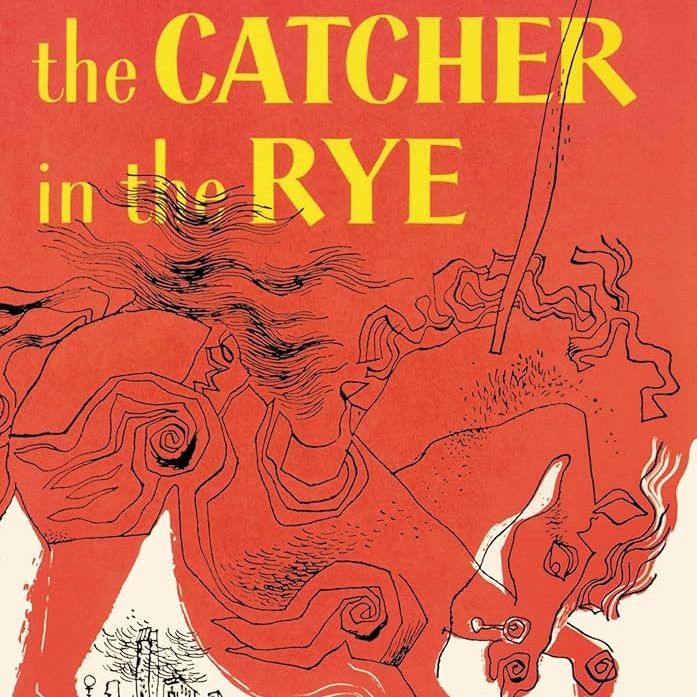
When I was in high school, The Catcher in the Rye was my favorite book. I’d never read something more relatable. I was pretty big on the feeling of “I don’t want to grow up just yet,” especially as I, like Holden, had been through some pretty traumatic stuff that had seemingly overtaken whole chunks of my childhood. I related so much to him that my senior year, when I went trick-or-treating with my friends, I put together a last-minute Holden costume (a red plaid hat, a copy of the book, and a box of bubblegum cigarettes). It felt less like a costume and more like an honest reflection of who I was at the time.

I initially read the book as required summer reading the summer I turned sixteen, and the timing was perfect. I was away from home for the summer, working in Ocean City, Maryland – a place where I’d spent every summer growing up – and I was dealing with a lot. I had recently transferred to private school from public school, I was struggling with the group of friends I’d had for the past several years, and at the end of the summer I dealt with death for the first time when my favorite aunt lost her battle with adrenal carcinoma. Reading the book during that season felt like companionship more than an assignment. Holden’s fear, displacement, and resistance to being pushed forward mirrored exactly where I was.
Looking back on Holden now, he’s a scared kid – and that’s why he was so relatable at the time, because I was also a scared kid. I’m not a scared kid anymore, so it doesn’t land the same way. If anything, I look at him from a teacher’s perspective and find myself asking, What can I tell this kid to reassure him that everything is going to be fine?
Since then, I’ve changed a lot. Honestly, I’ve decided it’s a lot better being an adult than being a kid. I don’t think I’d ever go back if I had the chance. I’ve realized that the fear of growing up that we all experience isn’t really about the act of growing up at all, rather, it’s about losing the sense of self you have at sixteen. What I’ve learned, especially over the past couple of years, is that I really am that same person, just a bit older and healed. We don’t change that much when we grow up; we’re still the same soul going through the same life, finding new ways to cope and trying to change the little things we can for the better.
Adulthood isn’t just about taking on more responsibilities and having everything together. In fact, I’ve been an adult for a little while now, and what I’ve noticed is that none of the adults around me actually do have it together. That’s all a facade. We’re all living life for the first time and figuring things out as we go. That once-seemingly isolating teenage fear of not having it figured out is really just a part of life for all of us, something we never fully outgrow. We just do our best to find the tools that help us move forward.
Because of that, I actually think Holden was right about one thing: any person trying to put on the facade of having everything together is a phony.
That realization also re-frames the book for me now. I think The Catcher in the Rye is exactly the kind of book everyone should read at least twice in their life: once at sixteen, and once as an adult. The way you react to it changes completely depending on where you are in life, and it can feel like an entirely different story each time. That’s what makes it a literary masterpiece.
You don’t necessarily have to like J. D. Salinger to come to that conclusion. I know he led a life with some questionable morals, and I want to be clear that this reading is very much about the art, not the artist. What endures isn’t the man, but the way the book grows alongside the reader, meeting them where they are, then asking them to return later and see what’s changed.




Leave a Reply