Grab a Copy
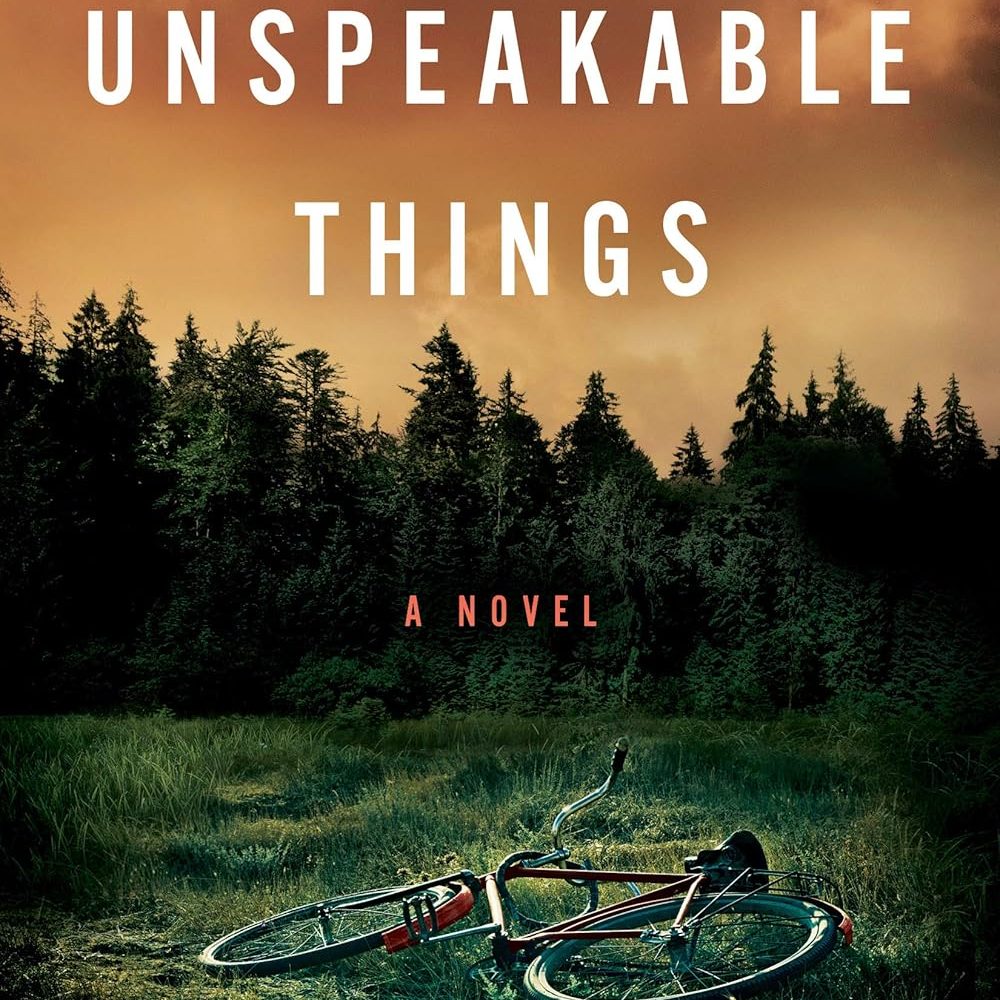
My favorite genre to read is psychological thrillers, and few are as genuinely hard-hitting as Jess Lourey’s 2021 novel Unspeakable Things. I originally read this one when it first came out, and even after reading many other books since then that follow similar tropes, this one still stands out as one of my all-time favorites.
Set in a small town in the 1980s, the story follows Cassie McDowell, a middle schooler from an eccentric family. Her older sister is a popular teen, and her parents are artists known for hosting parties that can get a bit… raunchy.
When boys from her neighborhood begin being attacked by an unknown man (some even disappearing),fear spreads throughout the community. Cassie starts investigating on her own, only to discover that the danger threatening her small town is far closer to home than she ever could have imagined. Even among the adults she’s known her whole life, dangerous patterns are minimized and local kids’ very real concerns are overlooked.
One of the novel’s greatest strengths is how deeply it draws from Lourey’s own childhood experiences. Having grown up in small-town Minnesota, Lourey has shared that the story was inspired by local abductions that occurred during her youth, most notably the horrifying kidnapping of Jacob Wetterling. By tapping into that adolescent fear of the world around her, Lourey delivers a hauntingly believable portrayal of what it feels like to be a tween recognizing patterns of abuse that adults fail to see. She powerfully captures the experience of growing up surrounded by dark secrets and unspoken fear. In that way, she memorializes these young victims by bringing to light how overlooked these cases were in a frightening era to grow up.
This book is emotional, unsettling, and deeply twisted – yet also one of the most realistic thrillers I’ve read. It’s not for the faint of heart, but for readers interested in the intersection of true crime and fiction, Unspeakable Things is an unforgettable choice. It’s a reminder of how adults have the responsibility to take these things seriously, and how kids pick up on a lot more than adults often realize.







Leave a Reply