Grab a Copy
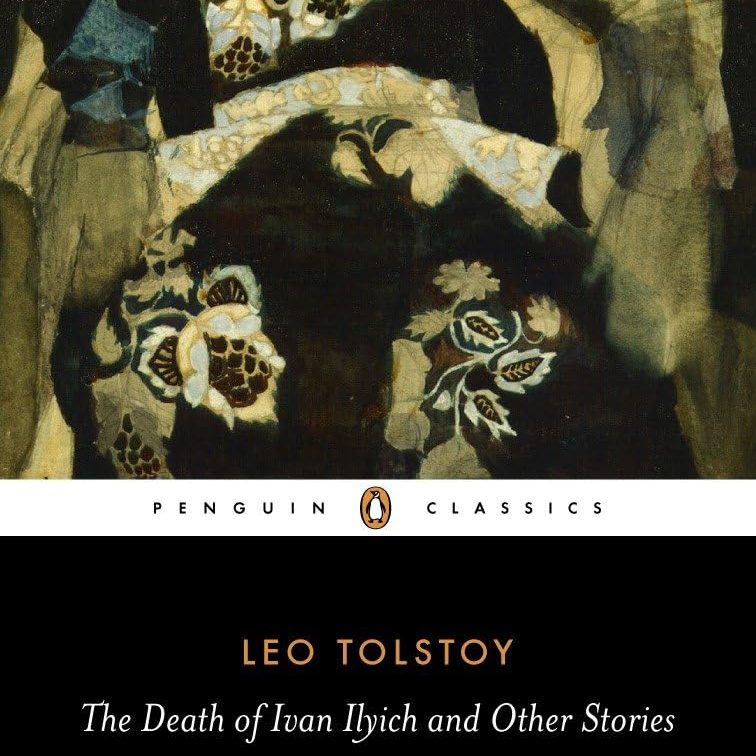
One of the most disturbing things about life, I’ve come to find, is how few people aim to live authentically. It’s one of the only ways we can truly be happy, yet so many people have a tendency to mask themselves behind what they believe society wants them to be. This makes very little sense to me. If you’re living your whole life trying to look a certain way from someone else’s point of view, what do you actually gain from it? It makes far more sense to live truthfully rather than allowing societal expectations to dictate who you are. Leo Tolstoy explores this same idea in his novella The Death of Ivan Ilyich.
Ivan has lived a life that, from the outside, seems pretty good. He married, had children, and maintained a very successful career. He did essentially everything that was expected of a respectable man in his position. But when an accident leads to a prolonged illness, he finds himself growing increasingly irritable as his health steadily deteriorates. He loses the ability to enjoy the few things that once genuinely brought him happiness, and eventually finds himself wondering whether the life he built was ever truly worth living.
What makes his situation even more unbearable is the lack of sincerity from everyone around him. They continue acting as though he is simply ill and will recover, even when it becomes glaringly obvious that his death is approaching. Their refusal to acknowledge the truth becomes maddening to Ivan. He finds solace primarily in Gerasim, his peasant servant, who does not pretend that Ivan isn’t dying. Gerasim simply accepts the reality of suffering and death and treats Ivan with genuine compassion. In a story filled with people concerned about appearances, he stands out because there is nothing artificial about him.
Toward the end of the novella, Ivan finally begins to question whether the problem was not merely that he is dying, but that he had been living incorrectly in the first place. His final moments become especially powerful when his attention begins to shift away from himself and toward the suffering of the people around him. It is only then that the terror of death begins to lose its hold over him.
This is a very short, fast-paced read that you could easily knock out in a day, but there is a surprising amount to think about afterward. I’d recommend it to anyone who grapples with societal expectations and the restrictions they can place on happiness.
From a Catholic point of view, I found it especially meaningful as a reminder that a good life cannot simply be one that looks successful from the outside. We are called to live truthfully, to love others rather than constantly protecting our own comfort or reputation, and to remember that worldly success ultimately means very little when separated from what is actually good. Ivan spends most of his life concerned with living the way he believes he is supposed to live. It takes the approach of death for him to finally confront the much more important question of whether he had been living well.








Leave a Reply